
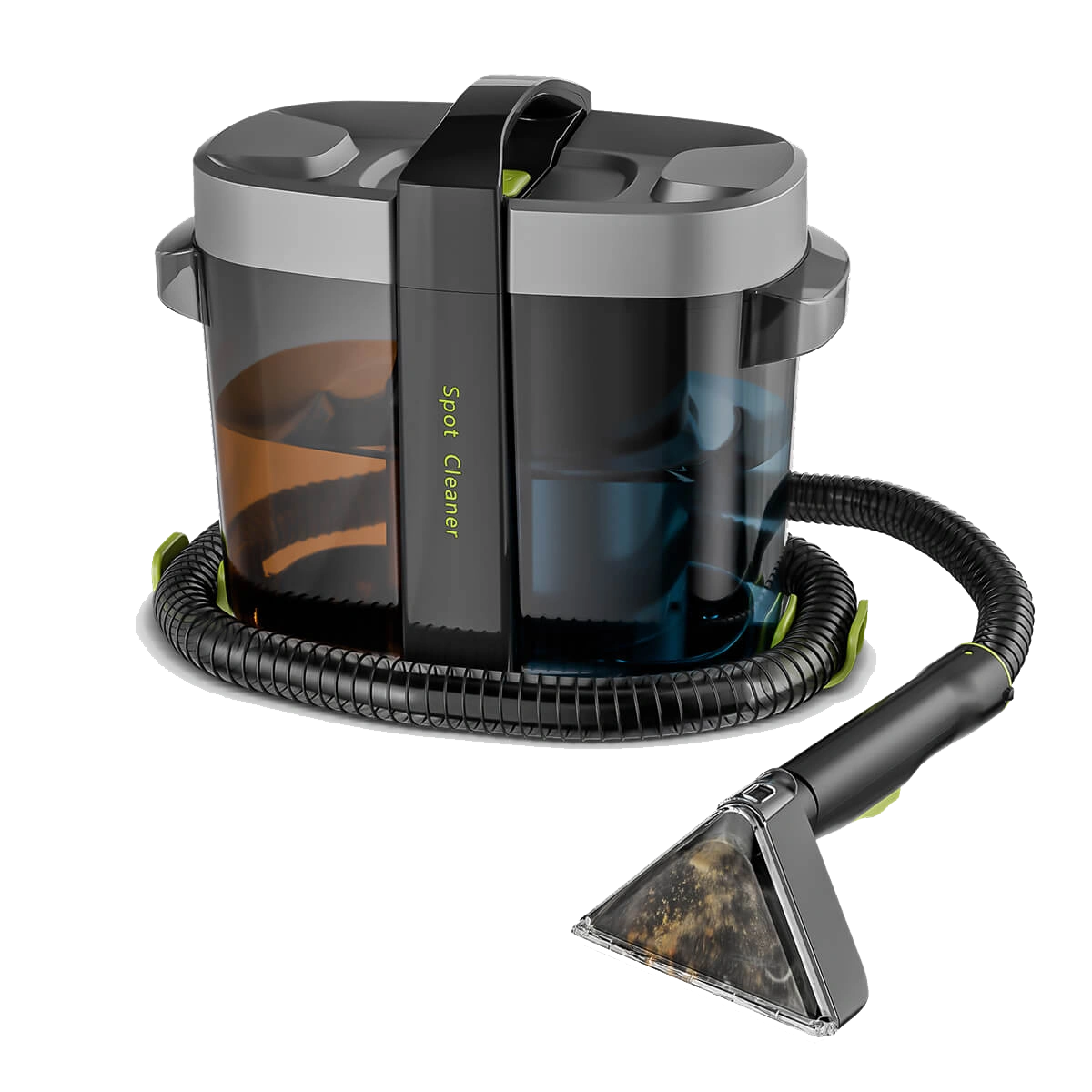



In the professional cleaning sector, the role of a vacuum cleaner has long surpassed simple waste collection. It is not just a cleaning tool but a critical piece of equipment for environmental quality control. The presence or absence of a HEPA (High-Efficiency Particulate Air) filter directly determines the final quality and compliance of the cleaning operation.
I. HEPA Filters: Technical Standards and In-Depth Analysis
HEPA is not a generic marketing term but a strict performance standard recognized internationally. Its core definition is a capture efficiency of no less than 99.97% for particulate matter measuring 0.3 microns in diameter. The 0.3-micron size is used as the benchmark because particles of this size are the most penetrative, representing the “Most Penetrating Particle Size” (MPPS).
-
Range of Captured Particulates: HEPA filters target far more than just dust. Their targets include:
-
Allergens: Dust mites and their feces, pollen, plant spores.
-
Pathogen Carriers: Bacteria, viruses (often attached to droplet nuclei or dust).
-
Industrial Dust: Asbestos fibers, metal dust, chemical crystals.
-
Other Suspended Particles: Tobacco smoke, dander, fungal spores.
-
-
Detailed Advanced Filtration Mechanisms: HEPA filtration is not simply a “sieve” effect; it’s a synergy of four physical mechanisms:
-
Interception: When a particle radius is larger than the fiber distance, it is directly sieved and captured.
-
Inertial Impaction: Larger or heavier particles cannot follow the air stream around the fiber due to inertia, thus impacting and adhering to it.
-
Diffusion Effect: For particles smaller than 0.1 microns, Brownian motion causes them to move erratically, increasing the probability of collision with fibers and subsequent capture. This is why efficiency is even higher for ultra-fine particles.
-
Electrostatic Effect: Some HEPA filter media carries an electrostatic charge, which actively attracts and captures neutral particles.
-
II. The Irreplaceability of HEPA in Professional Scenarios
-
Medical and Life Sciences: In operating rooms, ICUs, sterile pharmaceutical workshops, and biosafety laboratories, HEPA filters are a core barrier against airborne cross-contamination, protecting valuable samples and ensuring product sterility. They effectively filter out airborne pathogens, viruses, and allergens.
-
Electronics and Precision Manufacturing: In cleanrooms for chip manufacturing, optical instrument assembly, etc., even micron-sized dust can lead to reduced product yield. HEPA vacuums are essential tools for maintaining Class 10,000 or 100,000 cleanliness standards, preventing the introduction of contamination during cleaning itself.
-
Food and Chemical Industries: In production facilities, HEPA-equipped equipment controls dust dispersion, safeguarding product safety, reducing the risk of combustible dust explosions, and protecting worker occupational health.
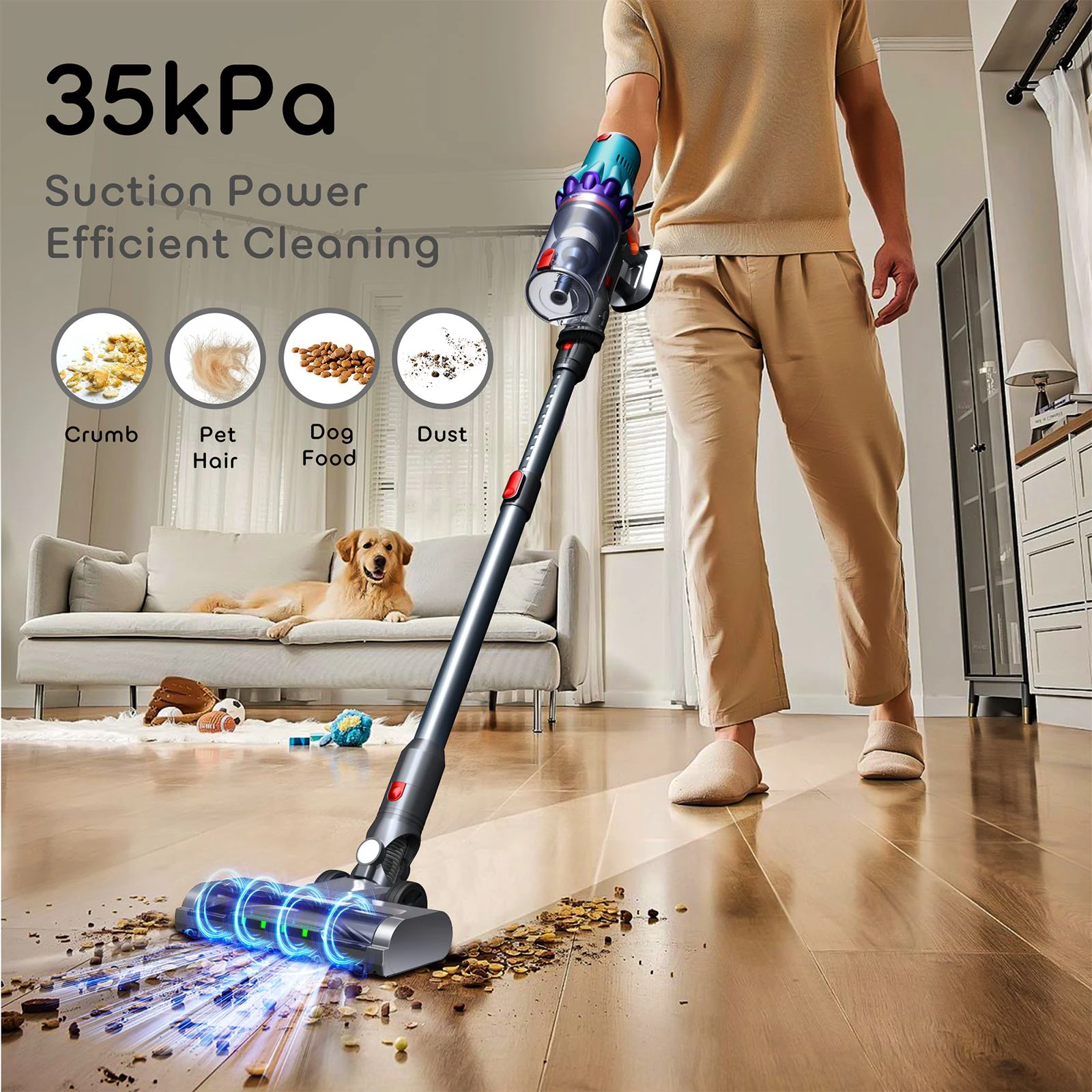
III. OMESER S15: A Comprehensive HEPA Cleaning Solution Built for Professional Environments
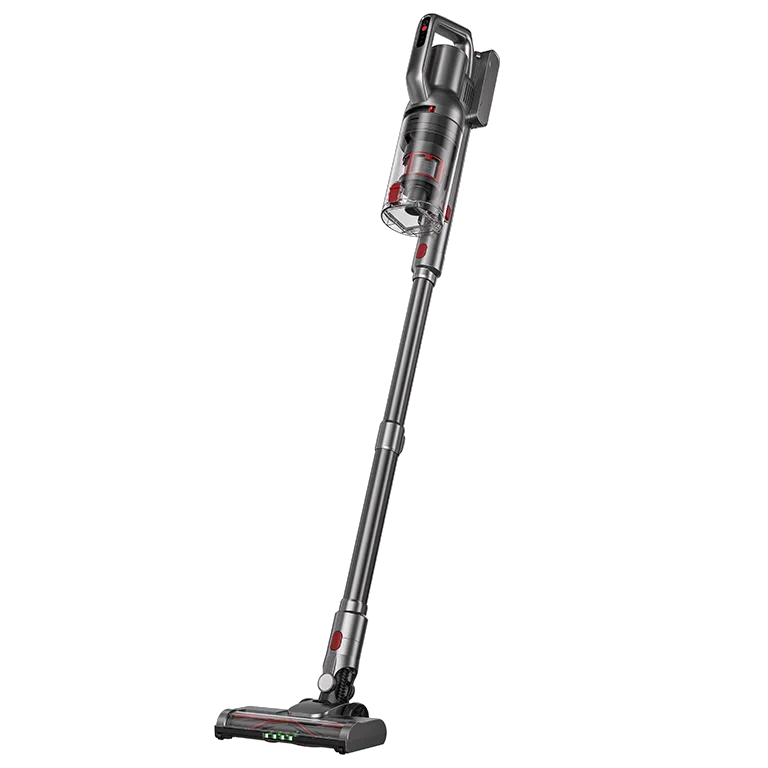
Recognizing the importance of HEPA technology is just the first step; choosing professional equipment that perfectly implements its efficacy with reliability is crucial. The OMESER S15 commercial vacuum cleaner is built for this purpose.
-
Fully Sealed HEPA System, Beyond Ordinary: The design of the OMESER S15 goes beyond simply adding a HEPA filter at the exhaust. It employs a full-channel HEPA-class sealed design from the air intake to the exhaust outlet, ensuring that 100% of the ingested air passes through HEPA filtration before being expelled, completely eliminating secondary pollution caused by leaks from body gaps.
-
Perfect Match of Powerful Performance and Efficient Filtration: Equipped with a high-performance 550W motor, it generates a powerful suction of up to 45KPa, capable of handling heavy-duty cleaning tasks such as construction debris and metal dust. Its high-capacity HEPA filter ensures that under prolonged, high-load operation, airflow resistance does not increase significantly, maintaining stable suction and consistent filtration efficiency.
-
Professional Attachments Designed for Diverse Scenarios: Addressing the pain points of different industries, the OMESER S15 comes with a range of professional attachments, such as anti-static brushes, crevice nozzles, and efficient dusting brushes. This modular design allows it to easily handle comprehensive cleaning challenges, from vast floors to the interiors of precision equipment, from corner gaps to overhead ducts.
Conclusion
In the professional field, the value of a vacuum cleaner lies in its ability to become a guardian of environmental quality while completing cleaning tasks, not a disruptor. The HEPA filter is the technological cornerstone for achieving this goal. The OMESER S15, with its genuine fully sealed HEPA system, robust and enduring performance, and professional scenario adaptability, provides a trustworthy cleaning solution for users in medical, industrial, and commercial sectors with high-standard requirements. It is a wise investment in ensuring production safety, product quality, and personnel health.