
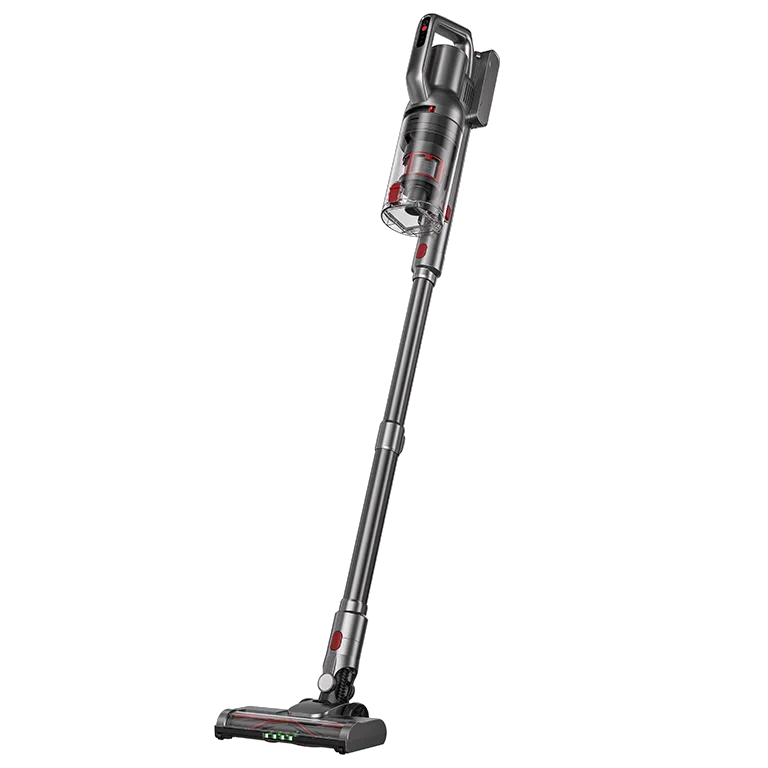


The gradual decline in performance isn’t a mystery—it’s a predictable outcome of component choice and system design. A genuine understanding of cordless vacuum lifespan is crucial for professionals evaluating long-term value and reliability, moving beyond marketing claims to engineering realities.

1. Battery Degradation: The Core of Product Longevity
When assessing cordless vacuum lifespan, the power cell is the primary factor. Cycle count is a starting point, but chemical degradation and thermal stress are the true adversaries. High-quality power cells paired with a sophisticated Battery Management System (BMS) that manages temperature and balances charge are what prevent premature failure under demanding use. This directly dictates the usable vacuum battery life.
2. The Motor Divide: Why Brushless Technology Defines Durability
The core of the machine dictates its service life. This is where the choice of a brushless motor becomes the most significant factor in extended cordless vacuum lifespan. Brushed motors, with their physical carbon brushes, have a defined wear-out mechanism. The brushless motor, by eliminating this friction-based commutation, offers a fundamentally more durable solution, often lasting several times longer. This superior motor durability justifies a higher initial investment by reducing long-term operational costs.
3. System Engineering: How Filtration Protects Your Investment
A loss of suction is often a maintenance issue, but it can accelerate the wear of the entire system, indirectly shortening the product’s cordless vacuum lifespan. A clogged filter forces the motor to work harder, drawing more current from the battery and generating excess heat. Advanced multi-cyclonic separation that keeps the main filter clean is not just a feature—it’s a protective measure for the motor and power cell, safeguarding your investment in a high-performance brushless motor system.
Conclusion: Lifespan as a Design Goal
Ultimately, a product’s cordless vacuum lifespan is not accidental. It is the direct result of intentional engineering choices, with the brushless motor standing out as a cornerstone of durability. Specifying products built with these principles directly impacts total cost of ownership and operational reliability, ensuring long-term satisfaction.