



Executive Summary – The Business Case for Robotic Vacuum Integration
Executive Summary – The Business Case for Robotic Vacuum Integration
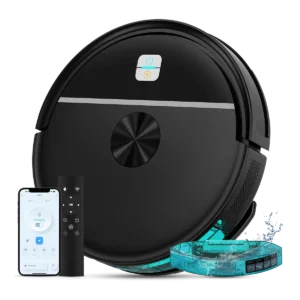
The adoption of autonomous cleaning technology is a strategic decision for modern businesses. Robotic vacuum cleaners are no longer mere conveniences; they are tools for enhancing operational efficiency, reducing long-term labor costs, and maintaining superior facility standards. This analysis outlines the key commercial scenarios where investing in a robot vacuum delivers a clear return on investment.

1. For Facility & Operations Managers: Optimize Your Cleaning Workflow
Deploy commercial-grade robot vacuums to automate routine floor maintenance. This intelligent reallocation of resources allows your professional cleaning staff to concentrate on high-value tasks such as sanitization, detail cleaning, and restocking. The result is a more efficient cleaning operation, optimized labor expenditure, and a consistently higher standard of cleanliness across your facility.
2. For Corporate Offices & Professional Spaces: Uphold a Impeccable Image
The appearance of your workspace directly impacts client perceptions and employee morale. Robot vacuums can be scheduled for daily cleaning after hours or during low-traffic periods, ensuring that your spaces are consistently presentable without disrupting the workday. This continuous, autonomous upkeep projects an image of professionalism and attention to detail.
3. For Pet-Centric Businesses: Proactively Manage Pet Hair and Dander
Veterinary clinics, pet grooming salons, and pet-friendly workplaces face unique cleaning challenges. A robot vacuum can operate continuously to manage the constant shedding of pet hair, maintaining a hygienic and professional environment for clients and staff. This proactive approach is essential for businesses where cleanliness is integral to the service offering.
4. For Healthcare and Hospitality: Support Enhanced Hygiene Protocols
In sectors where air quality and hygiene are paramount, such as clinics, hotels, and care homes, robot vacuums with HEPA-grade filtration systems are invaluable. They actively remove fine dust, pollen, and other particulate matter from floors, supporting a healthier environment and demonstrating a commitment to the well-being of patients, guests, and employees.
5. For HR & Workplace Strategy: Invest in Employee Satisfaction & Modernity
Providing a pristine work environment is a tangible employee benefit. Integrating automated cleaning solutions reduces the physical burden on cleaning teams and signals a forward-thinking, tech-positive company culture. This investment in the work environment can boost morale and aid in talent attraction and retention.
6. For Property & Facility Managers: Add a Competitive Amenity
Integrate “smart cleaning” into your service offering for rental or commercial properties. Providing or utilizing robot vacuums can be a unique selling point, enhancing tenant satisfaction, protecting flooring investments, and positioning your property as a modern, convenient choice in a competitive market.
Conclusion: A Strategic Investment in Automation
Incorporating commercial robot vacuums is a strategic move towards a more efficient, cost-effective, and professionally maintained operation. By identifying the right model for your specific business needs, you can unlock significant long-term value, allowing your team to focus on core business activities while the floors take care of themselves.