
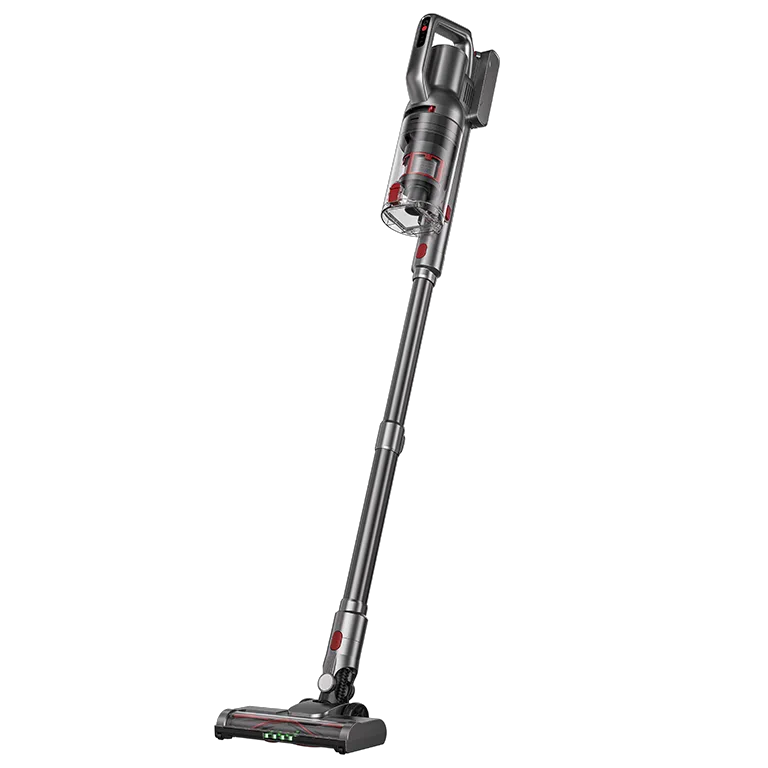
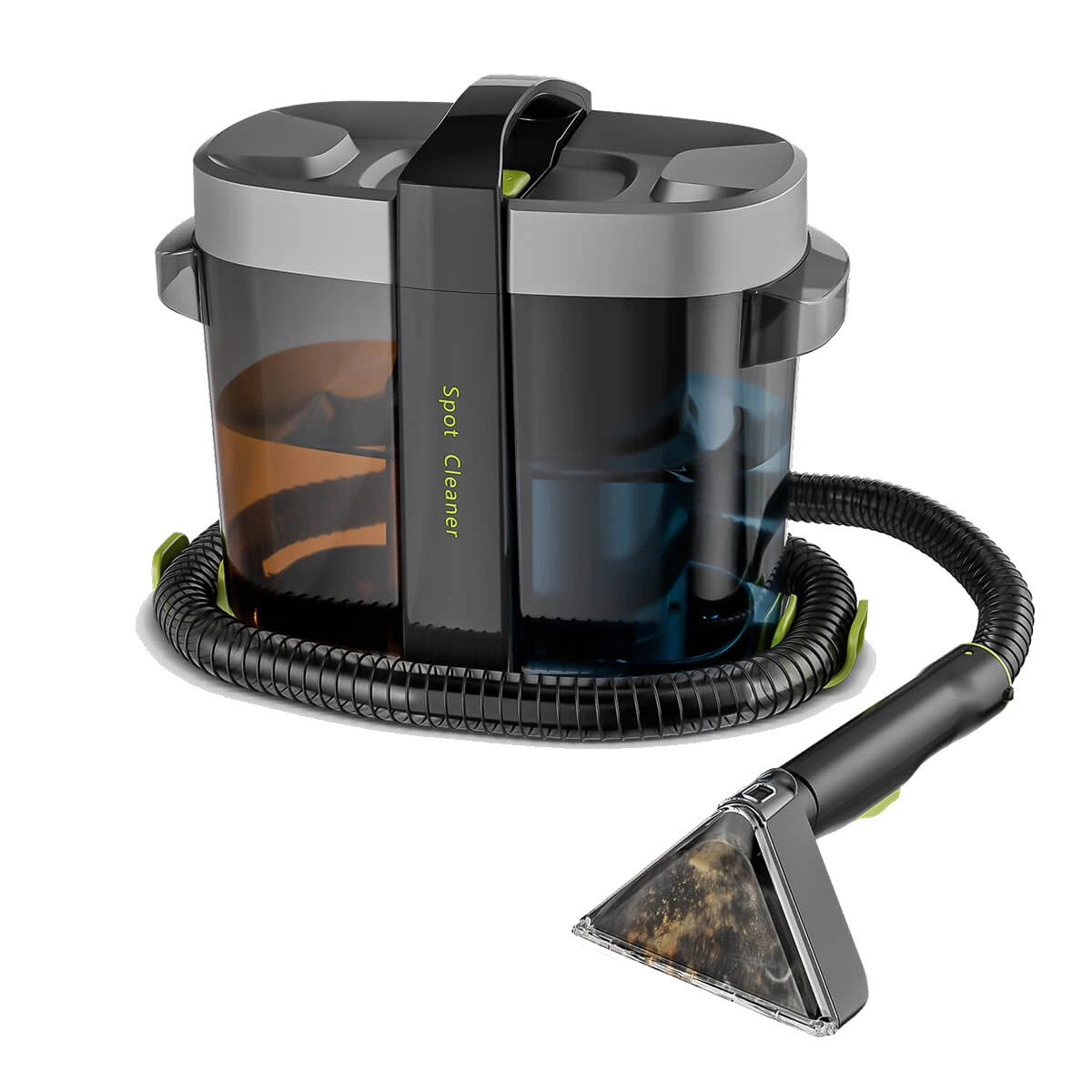


Adding another cordless vacuum cleaner to an existing product range does not automatically create new sales opportunities. If the new model serves the same customers, offers similar features and occupies the same price position as an existing product, it may simply divide sales between two models.
However, a product with a clearly different design and usage proposition can help a brand address needs that its current lineup does not fully cover.
For vacuum cleaner brands and distributors, a pencil-slim cordless vacuum is worth considering when it fills a genuine gap in the product portfolio: convenient everyday cleaning, a compact product format, or an additional price and design option for customers who do not necessarily need a larger vacuum cleaner.
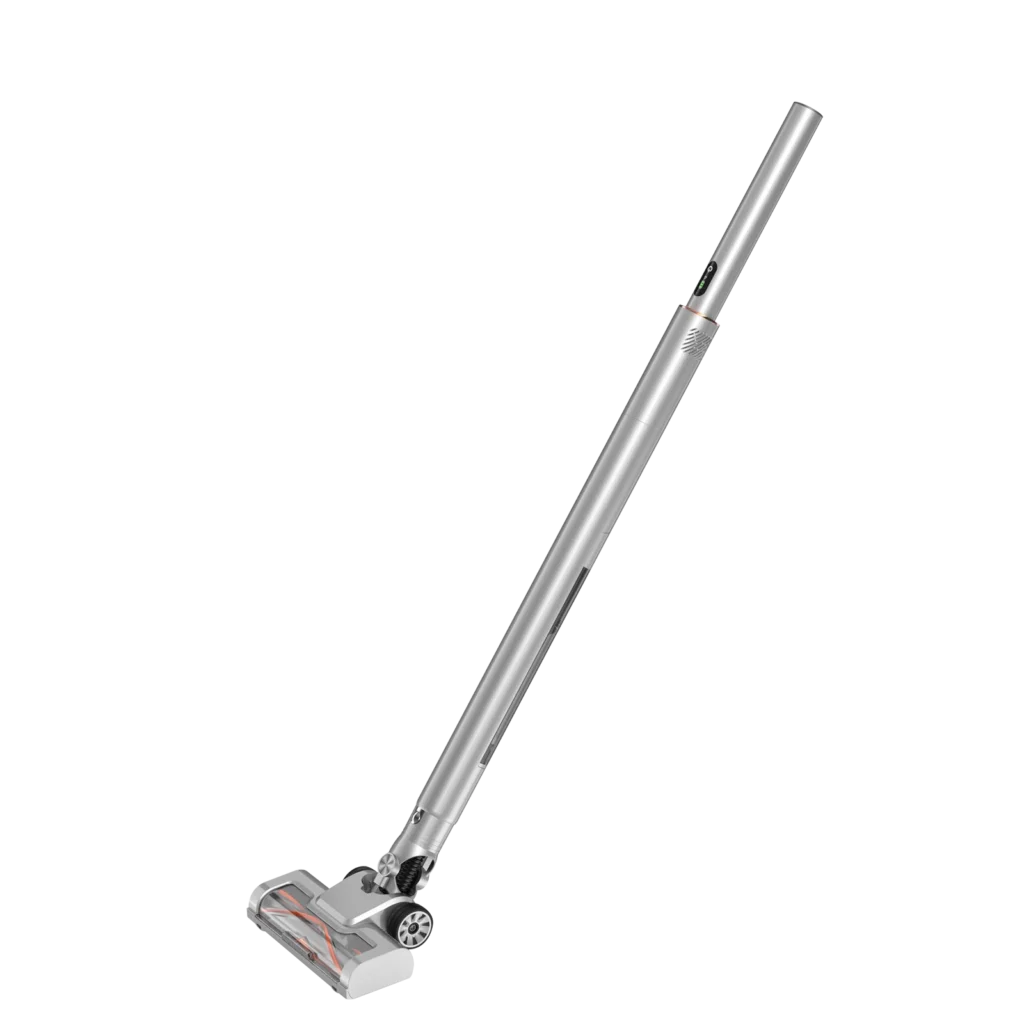
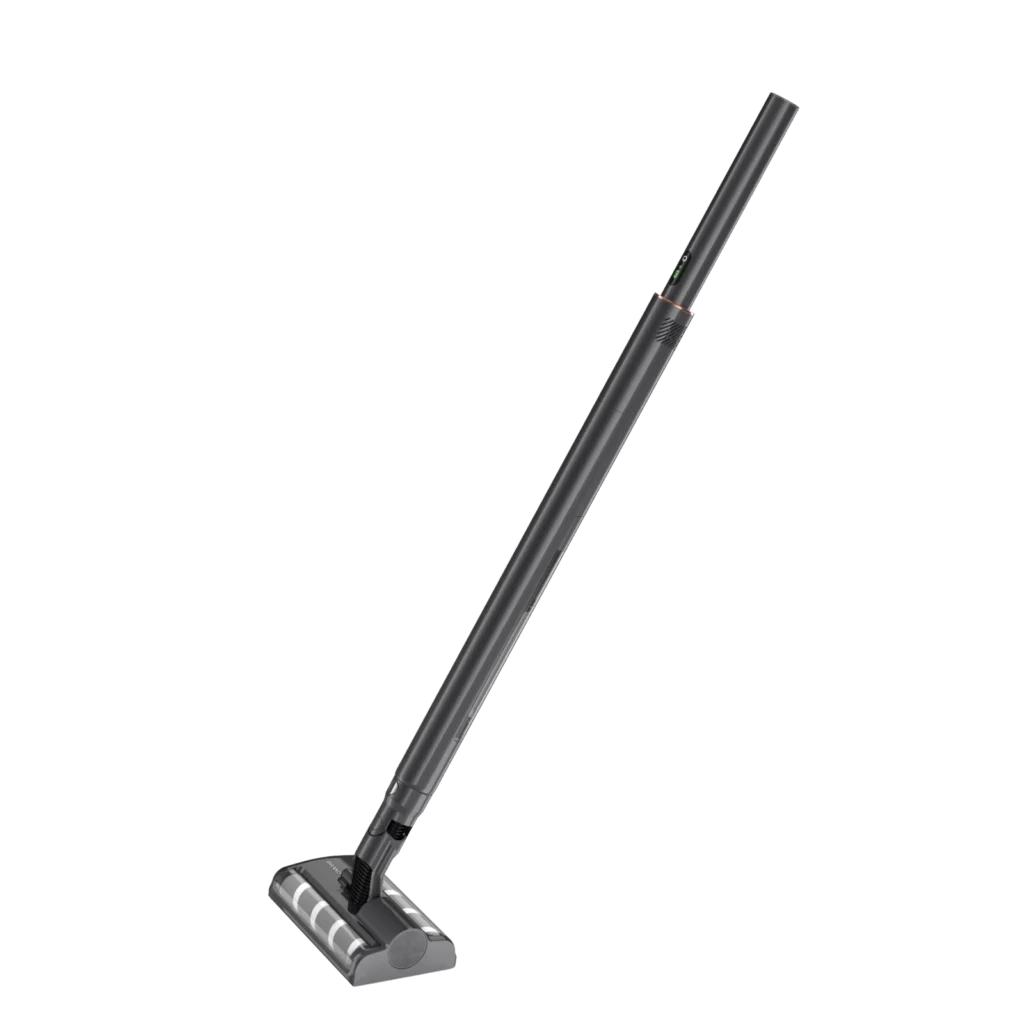
The Minfu S18A Pencil-Slim Cordless Vacuum Cleaner provides an example of this approach. Its slim stick-style design, 18kPa maximum suction, detachable battery and LED motorized floor brush create a product concept that brands can evaluate alongside their existing cordless vacuum range.
But is adding a pencil-slim model always the right decision?
Not necessarily. The answer depends on target customers, cleaning requirements, pricing, distribution channels and the product’s expected contribution to the business.
This article explains how importers, private-label brands and wholesalers can make that decision.
1. Identify the Gap in Your Existing Vacuum Cleaner Range
The first question is not whether a pencil-slim vacuum looks attractive.
It is whether your current product range leaves a customer need insufficiently addressed.
Consider a brand that already sells a full-size cordless stick vacuum with a relatively large dust container and a product proposition focused on longer cleaning sessions.
Adding another full-size model with similar positioning may not significantly expand its audience.
A pencil-slim vacuum offers a different product concept. Its design can be positioned around convenient handling, compact appearance and everyday cleaning tasks.
For the brand, this creates an opportunity to serve customers who prioritize a different combination of product characteristics.
Product Portfolio Gap Analysis
| Existing Product Category | Main Customer Proposition | Possible Role of a Pencil-Slim Model |
|---|---|---|
| Full-Size Cordless Stick Vacuum | Broader household cleaning tasks | More compact everyday alternative |
| Robot Vacuum Cleaner | Automated routine floor care | Manual cleaning for selected areas |
| Handheld Vacuum | Small-area and spot cleaning | Stick-format floor cleaning and versatile use |
| Wet and Dry Floor Washer | Dedicated washing and wet-cleaning functions | Dry dust and loose-debris cleaning |
| Entry-Level Cordless Vacuum | Basic cordless convenience | Differentiated design and feature presentation |
A pencil-slim model should not be promoted as a direct replacement for every product in the table.
Instead, the brand should define the role it is expected to play.
For example, if a customer already owns a robot vacuum cleaner, a compact cordless stick vacuum could be considered for additional manual cleaning tasks.
That does not mean every robot vacuum owner will purchase a second machine. It simply establishes a customer-use hypothesis worth testing.
A new product deserves shelf space when it answers a customer need that the current assortment does not address clearly enough.
2. Which Customers Might Prefer a Pencil-Slim Cordless Vacuum?
A compact product design can appeal to different groups for different reasons.
However, overseas distributors should avoid assuming that every small household or apartment resident automatically wants a pencil-slim vacuum.
Customer segments should be defined by their cleaning needs and purchasing priorities.
Customers Looking for Convenient Everyday Cleaning
Some consumers may want a vacuum for regular cleaning rather than lengthy, intensive sessions.
For these customers, quick handling and convenient storage may matter as much as headline motor power.
A pencil-slim configuration could be relevant if users find the machine comfortable to handle and the dust collection capacity suitable for their normal cleaning tasks.
Households with Limited Storage Space
Storage can influence purchasing decisions, especially where customers prefer compact home appliances.
A slim product silhouette may fit this positioning, but distributors should evaluate the actual dimensions, storage method and included accessories before making space-saving claims.
A visually slim vacuum is not necessarily the product with the smallest complete storage footprint.
Customers Who Want a Secondary Cleaning Tool
Some buyers already have a larger vacuum cleaner or automated cleaning device.
They may be interested in a second product for selected tasks, provided it offers clear convenience or accessibility advantages.
For this segment, a brand should emphasize the tasks the product is demonstrably suitable for rather than making broad claims that it replaces a primary household vacuum.
Design-Conscious Buyers
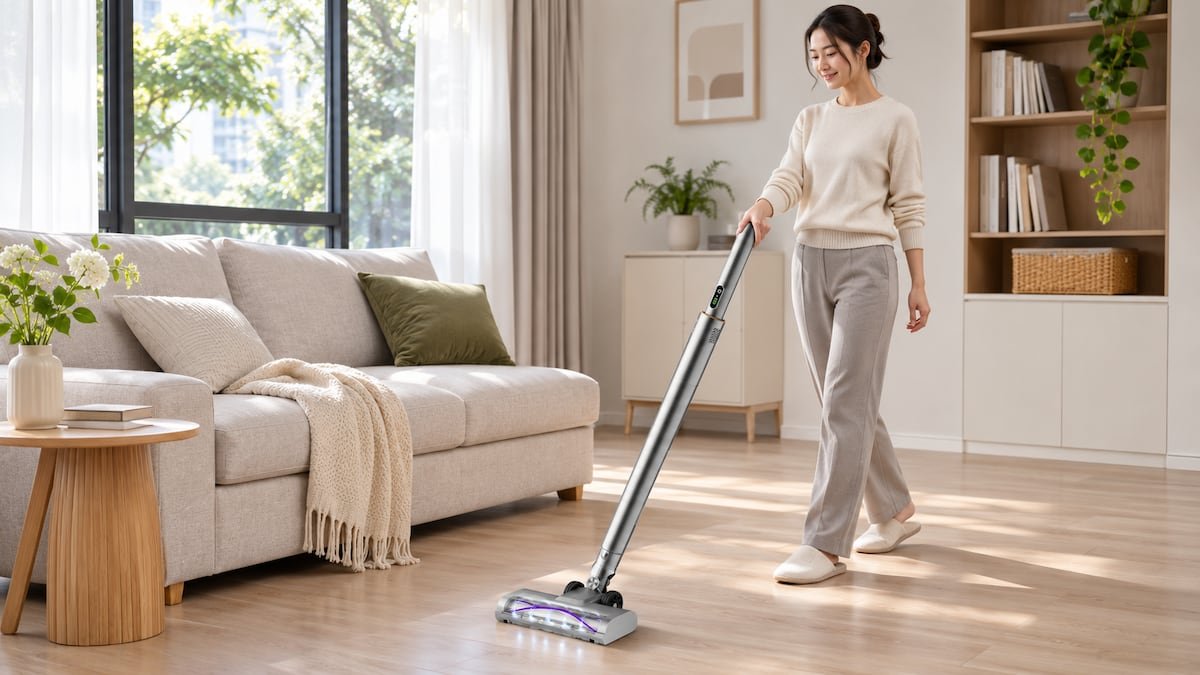
For some customers, appliance appearance matters because cleaning products are stored or used in visible household spaces.
The S18A’s pencil-slim form gives brands a recognizable design feature that can be incorporated into retail photography and product presentation.
Yet appearance alone is not enough. Customers must still find the handling, cleaning performance and maintenance acceptable.
These audiences should be treated as hypotheses until customer interviews, retailer feedback or sales tests confirm real demand.
3. What Does the Minfu S18A Actually Offer?
A product positioning strategy should start with the actual product specification.
The S18A is a pencil-slim cordless stick vacuum cleaner featuring a 100W motor, two suction modes and an LED motorized floor brush.
Its published configuration includes:
| Product Feature | Published S18A Specification | Potential Buyer Relevance |
|---|---|---|
| Product Design | Pencil-Slim Cordless Stick Vacuum | Distinctive visual positioning |
| Motor Power | 100W | Technical comparison within the category |
| Maximum Suction | 18kPa | Reference for sample evaluation |
| ECO Suction | 8kPa | Lower-power cleaning option |
| Battery | 2600mAh, detachable lithium-ion | Charging and replacement considerations |
| Runtime | Up to 35 minutes | Suitability for intended cleaning duration |
| Charging Time | 3–4 hours | Everyday charging convenience |
| Dust Cup | 200mL | Emptying frequency and maintenance |
| Floor Brush | LED motorized brush | Cleaning-path visibility |
| Filtration | Cyclone + HEPA | Dust collection and filter maintenance |
These specifications help buyers evaluate the product, but they should not be translated directly into unsupported marketing promises.
For example, 18kPa represents a suction-pressure specification. It does not independently establish how well the S18A removes dust from every type of floor.
Likewise, the stated runtime is associated with defined operating conditions. Buyers should evaluate actual operation with the supplied battery and relevant accessories.
The purpose of this information is to help brands determine whether the product’s configuration supports their intended market positioning.
4. Where Should the S18A Sit in a Brand’s Product Line?
A successful product portfolio offers customers meaningful reasons to choose one model over another.
A pencil-slim cordless vacuum could occupy several possible positions depending on the brand’s existing range and retail strategy.
Option A: A Compact Entry into Cordless Cleaning
A brand may position a pencil-slim product as an accessible introduction to its cordless vacuum category.
In this case, the retail proposition should focus on essential functions, convenient handling and a clear price-to-feature relationship.
The product should not be described as the cheapest option unless the actual pricing supports that claim.
Option B: A Convenient Everyday-Cleaning Model
The brand could position the S18A as a cordless vacuum for routine cleaning tasks where a slim design is desirable.
This strategy places emphasis on handling, LED floor-head visibility, detachable battery convenience and the actual cleaning experience.
Option C: A Design-Led Product
A pencil-slim vacuum may also form part of a visually consistent appliance collection.
Here, packaging, color, product photography and retail presentation become particularly important.
However, the positioning must still be supported by product performance and a realistic price.
Portfolio Positioning Matrix
| Positioning Strategy | Main Selling Point | Most Important Validation |
|---|---|---|
| Compact Entry Model | Convenient cordless format | Competitive retail value |
| Everyday-Cleaning Model | Practical routine cleaning | Customer-use testing |
| Design-Led Model | Slim product appearance | Consumer preference and price acceptance |
| Secondary Vacuum | Complements an existing cleaner | Distinct use cases and purchase intent |
The correct strategy is not determined by the product alone.
It depends on what other models the brand already offers, how customers compare them and whether the new product introduces meaningful value.
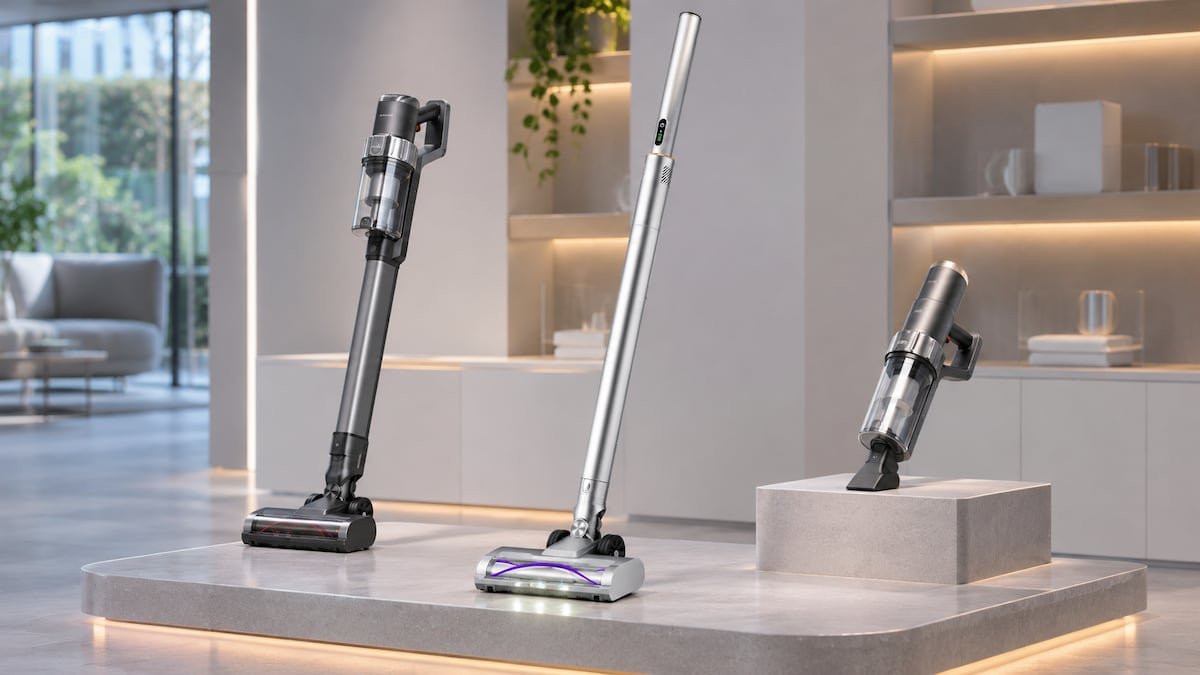
5. Understand the Trade-Offs Before Marketing a Slim Vacuum
A compact format has potential advantages, but buyers should also understand its limitations.
This is particularly important for international brands because customer dissatisfaction often begins when product expectations do not match the actual cleaning experience.
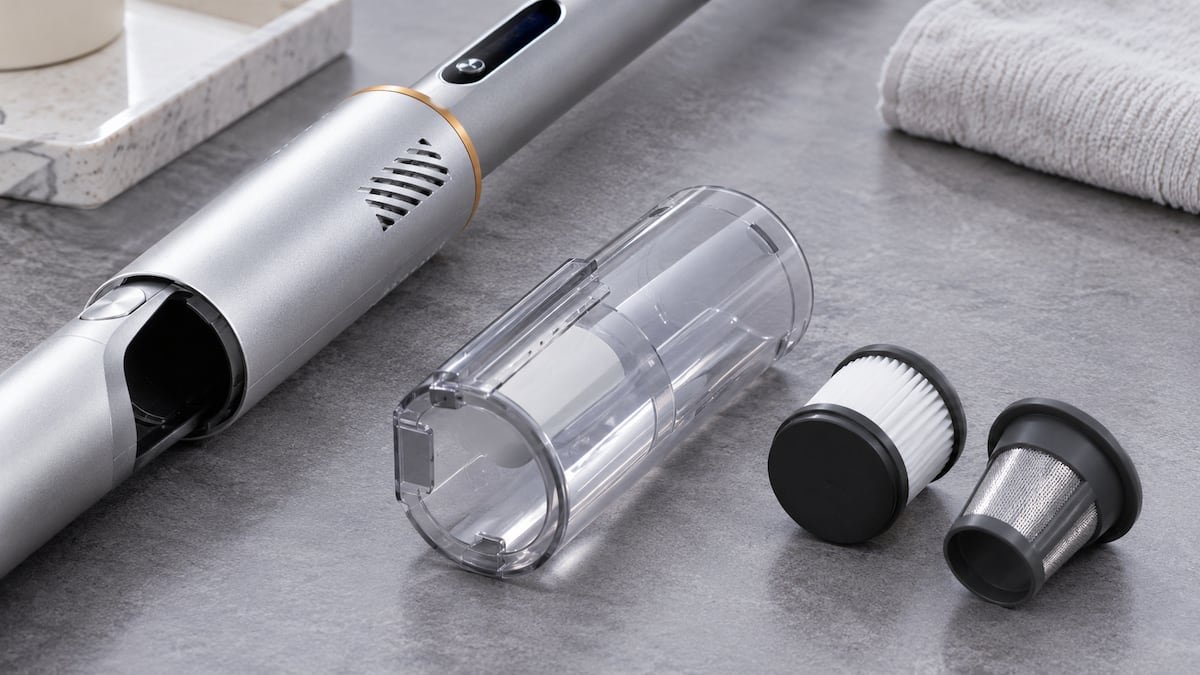
Dust Cup Capacity
The S18A has a published 200mL dust cup.
A smaller dust cup may be compatible with selected everyday cleaning tasks, but it may require more frequent emptying during extensive cleaning.
A brand should therefore avoid positioning the S18A as a large-capacity vacuum.
The product’s dust collection arrangement should be tested against the expected cleaning frequency and debris volume.
Operating Time
The S18A’s published maximum runtime is up to 35 minutes in ECO mode.
Its earlier product introduction also states approximately 18 minutes in MAX mode.
For a product marketed around convenient daily cleaning, these figures may be relevant.
For buyers expecting uninterrupted cleaning of large properties, the suitability of the battery configuration deserves closer evaluation.
Cleaning Performance
A slim appearance is not proof that a product can clean every surface effectively.
Brands should verify debris pickup on the floors and carpets relevant to their target market.
Handling and Storage
The full product configuration should be assessed, including the floor head, extension tube, battery, charger and accessories.
A slim main body does not automatically guarantee a smaller packaging volume, lighter shipping weight or easier storage.
After-Sales Maintenance
Dust cup access, filter replacement, brush cleaning and battery availability should all be considered.
These details help determine whether the product is suitable for a brand’s intended customer experience.
The strongest product positioning acknowledges the S18A’s compact design while setting realistic expectations about capacity, runtime and intended cleaning tasks.
6. How Should Distributors Present a Pencil-Slim Vacuum?
For wholesale and private-label brands, selecting the product is only one part of the challenge.
The next step is communicating why customers should choose it.
A product that looks distinctive on a supplier’s website may not stand out in a retail catalogue unless its benefits are explained clearly.
E-Commerce Product Pages
An online product page should show the complete S18A, its floor-head design and key accessories.
It should also communicate the operating modes, runtime conditions, dust cup capacity and charging requirements without burying important information.
Short Product Demonstration Videos
Videos should demonstrate real cleaning tasks, handling and product maintenance.
For example, a brand may show how the vacuum is used on a compatible hard floor and how the dust cup is emptied.
Product demonstrations should use the actual production configuration.
Retail Displays
A physical display can help customers compare the S18A’s dimensions, appearance and handling with other cordless models.
Retailers should provide a clear explanation of where the pencil-slim model sits within the product range.
Distributor Sales Materials
Wholesale buyers often need product information in a format they can reuse.
A useful product sales kit may include:
- Approved product photos and demonstration videos.
- Technical specifications and operating instructions.
- A clear list of included accessories.
- Approved claims and supporting evidence.
- Replacement-part information.
- Packaging dimensions and shipping data.
- Brand-specific marketing assets.
The goal is to make the product easy for a distributor to explain accurately, not simply to add more promotional adjectives.
7. Can a Pencil-Slim Vacuum Improve Your Product-Line Profitability?
A new product can increase revenue while adding costs and operational complexity.
For importers, the decision should therefore be based on contribution margin and the effect on the existing assortment, not only the factory unit price.
Calculate the Real Landed Cost
A useful starting formula is:
Landed Cost per Unit = Factory Price + Allocated Freight + Import Duties + Other Import and Handling Costs
Applicable taxes should be treated according to whether they are recoverable in the buyer’s market.
Additional costs may include inspections, product documentation, packaging development or local storage.
Estimate Contribution Margin
A simplified calculation is:
Contribution per Unit = Net Sales Revenue − Landed Cost − Variable Selling and After-Sales Costs
Variable selling costs may include marketplace commissions, payment processing, fulfillment, promotions, expected returns and warranty provisions.
This is a planning model rather than a quotation or profitability forecast for the S18A.
Consider Sales Cannibalization
One of the most important questions is whether buyers would have purchased another model from the same brand.
If the S18A generates demand from a customer segment the brand was not previously reaching, it may expand total sales.
If most customers simply switch from an existing model to the S18A, the financial result depends on the difference in contribution margin and the costs of maintaining another SKU.
Do Not Forget Inventory Costs
Adding a new model can require:
- Finished-product inventory.
- Replacement filters and brushes.
- Spare batteries and chargers.
- Additional retail packaging.
- Product photography and sales materials.
- Customer service training.
- Warranty and service arrangements.
These costs should be included in the product launch decision.
A profitable retail price on paper does not automatically mean the product will contribute positively after inventory and support expenses.
8. Validate Demand Before Committing to a Full Launch
A distributor does not need to assume that a pencil-slim vacuum will succeed simply because the design looks attractive.
A structured market validation process can provide better evidence.
Step 1: Review the Existing Customer Base
Identify which customers are currently buying the brand’s cordless vacuums and which product requests are not being served.
Look at actual feedback rather than relying solely on general market trends.
Step 2: Present the Product to Channel Partners
Share the approved S18A configuration with selected retailers or distributors.
Ask them to evaluate the product appearance, proposed retail position, feature set and possible customer objections.
Step 3: Test Realistic Product Messaging
Compare several honest product propositions.
For example:
- Pencil-Slim Cordless Cleaning.
- Everyday Cleaning with LED Floor Visibility.
- A Compact Addition to Your Home Cleaning Routine.
The objective is to understand which message customers value and whether it matches their actual experience.
Step 4: Evaluate Commercial Results
If a trial arrangement is available, monitor customer interest, sell-through, returns, support inquiries and realized contribution margin.
Do not interpret views or inquiries alone as evidence of profitable demand.
A Practical Launch Decision Scorecard
| Decision Factor | Key Question | Evidence Required |
|---|---|---|
| Customer Need | Is there a defined buyer segment? | Interviews or existing customer data |
| Product Fit | Does the S18A satisfy the use case? | Sample and user evaluation |
| Differentiation | Is it distinct from existing SKUs? | Product portfolio comparison |
| Price Acceptance | Will buyers accept the proposed price? | Channel or market feedback |
| Profitability | Does the contribution justify the SKU? | Cost and margin model |
| Inventory Risk | Can demand support the initial order? | Demand estimate and purchasing plan |
| After-Sales Readiness | Can the brand support the product? | Parts and service plan |
A product should move toward a larger purchase when these questions have satisfactory answers.
If several important areas remain uncertain, additional validation may be preferable to an immediate bulk order.
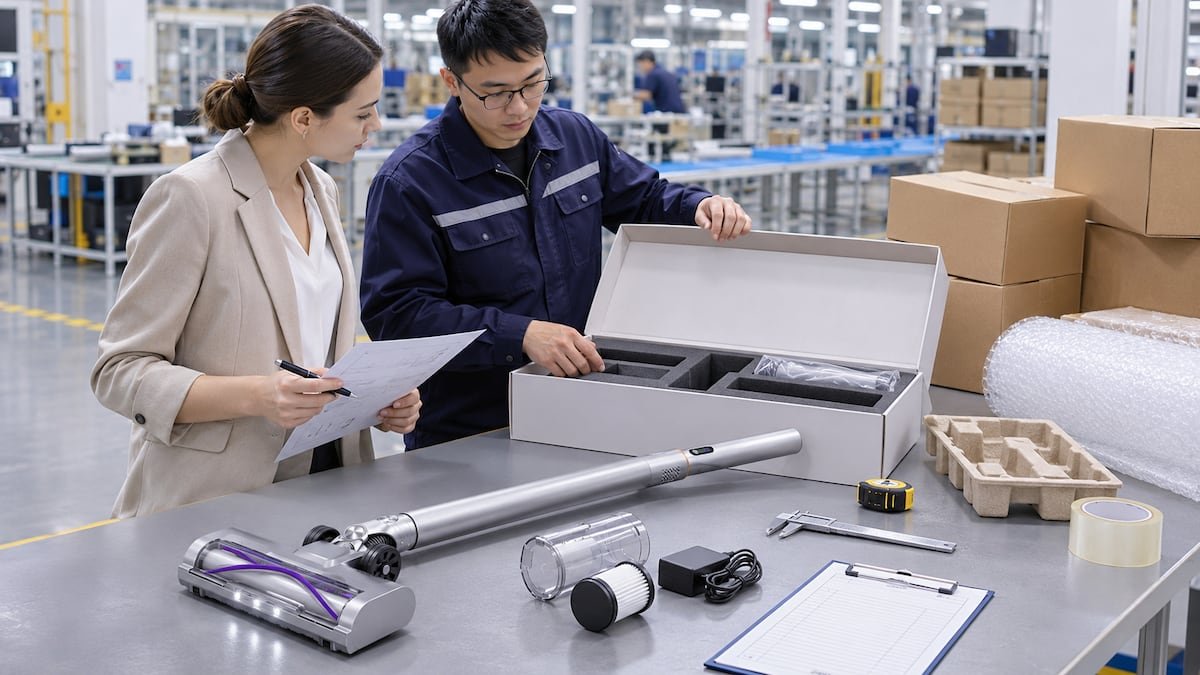
9. What Should Private-Label Buyers Discuss with an OEM Manufacturer?
Once a brand decides that the pencil-slim category is relevant, the next step is determining whether the chosen platform can meet its business requirements.
At Shenzhen Minfutech Industrial Co., Ltd., we support cleaning appliance OEM/ODM cooperation with international brands, importers and distributors.
For an S18A-based project, buyers can discuss branding, packaging and model-specific configuration requirements.
Important subjects include:
Brand Identity
Logo placement, product naming, labeling and packaging artwork.
Target-Market Requirements
Electrical configuration, charger, plug, user instructions and applicable product documentation.
Accessory Package
The attachments included with each unit, together with replacement accessories and filter availability.
Product Approval
The sample configuration, performance expectations and production inspection criteria.
Commercial Conditions
Current MOQ, sample arrangements, unit price, payment terms and delivery requirements.
The availability and commercial terms of specific customization requests must be confirmed for the actual project.
A standard product page cannot substitute for an approved OEM specification and written quotation.
Questions Worth Sending to Your Supplier
A well-prepared inquiry should include:
| Information | What to Specify |
|---|---|
| Target Market | Country or countries where the product will be sold |
| Customer Segment | Intended household and cleaning applications |
| Brand Requirements | Logo, packaging and instructions |
| Product Configuration | S18A baseline and requested changes |
| Forecast | Proposed initial order and expected repeat orders |
| Positioning | Intended retail tier and sales channels |
| After-Sales | Spare parts, warranty and service expectations |
| Launch Schedule | Required sample approval and delivery milestones |
The purpose of this information is to give the manufacturer enough context to evaluate the project accurately.
10. When Should a Brand Avoid Adding a Pencil-Slim Vacuum?
A pencil-slim model is not suitable for every product portfolio.
A brand should reconsider the purchase if:
- Its existing products already satisfy the same customer needs with little meaningful differentiation.
- The intended audience requires a substantially larger dust cup or longer uninterrupted cleaning time.
- The product cannot deliver acceptable results on the intended floor surfaces.
- The proposed price does not support a viable contribution margin.
- Initial stock requirements create excessive inventory exposure.
- The local service team cannot support the battery, brush and filtration components.
- The brand lacks reliable evidence that its customers want this product category.
Recognizing these limitations is not a weakness in the sourcing process.
It is part of making a responsible commercial decision.
For some brands, the S18A may be a useful extension to an existing range. For others, a different cordless vacuum configuration may be more appropriate.
The correct objective is not to add another SKU. It is to add a product that serves a clearly defined customer need and creates measurable value for the business.
Frequently Asked Questions
Why should a brand consider adding a pencil-slim cordless vacuum?
A pencil-slim model may fill a gap between larger cordless vacuums and more compact cleaning solutions. Brands should evaluate whether its design, intended use and price position address a customer segment not adequately served by the existing range.
Is a pencil-slim cordless vacuum suitable as a primary household vacuum?
That depends on cleaning area, floor types, dust capacity, runtime and user expectations. A slim design alone does not establish that a model is suitable for every whole-home cleaning requirement.
What makes the Minfu S18A different from a conventional cordless stick vacuum?
The S18A emphasizes a pencil-slim product format. Its published configuration includes 18kPa maximum suction, two operating modes, a detachable lithium-ion battery, a 200mL dust cup and an LED motorized floor brush.
Can the S18A complement a robot vacuum cleaner?
It may complement automated floor cleaning by providing a manually operated vacuum for selected cleaning tasks. The value of this combination depends on the user’s needs and the actual cleaning performance.
Is the S18A suitable for private-label distribution?
Minfu supports OEM/ODM manufacturing cooperation for cleaning appliances. Buyers can discuss branding, packaging, product configuration and commercial arrangements for the S18A platform.
How can distributors decide whether the S18A will be profitable?
They should calculate landed cost and expected contribution margin, then consider inventory, marketing, service expenses and the possibility of cannibalizing sales of existing products.
Should a brand choose the S18A or S18B?
The S18A offers a pencil-slim design with a single-roller floor-head configuration, while the S18B features a dual-roller design. Buyers should select according to product positioning, actual cleaning results, total cost and customer requirements.
Explore the Minfu S18A for Your Next Product Line
A pencil-slim cordless vacuum can be a valuable addition to a cleaning appliance range when it addresses the right customer need.
For brands and distributors, the most important decision is not whether the product is new or visually distinctive. It is whether its design, performance, customer proposition and commercial economics fit the intended market.
MinfuTech works with international importers, wholesalers and private-label brands on cleaning appliance OEM/ODM projects.
If you are evaluating the S18A for your product portfolio, share your target market, product positioning, expected quantities and branding requirements with our team.
Explore the S18A: https://minfutech.com/s18a-cordless-vacuum-cleaner/
Compare the S18B: https://minfutech.com/s18b-dual-roller-cordless-stick-vacuum/
S18A Sample Testing Guide: https://minfutech.com/s18a-cordless-vacuum-sample-testing-guide/
OEM/ODM Manufacturing Solutions: https://minfutech.com/oem-odm-solutions/
Contact Minfu: https://minfutech.com/contact-minfu/
Contact Minfu to discuss samples, product positioning, branding and potential OEM/ODM cooperation.